Furniture Trends That Help North Carolina Institutions Plan Smarter
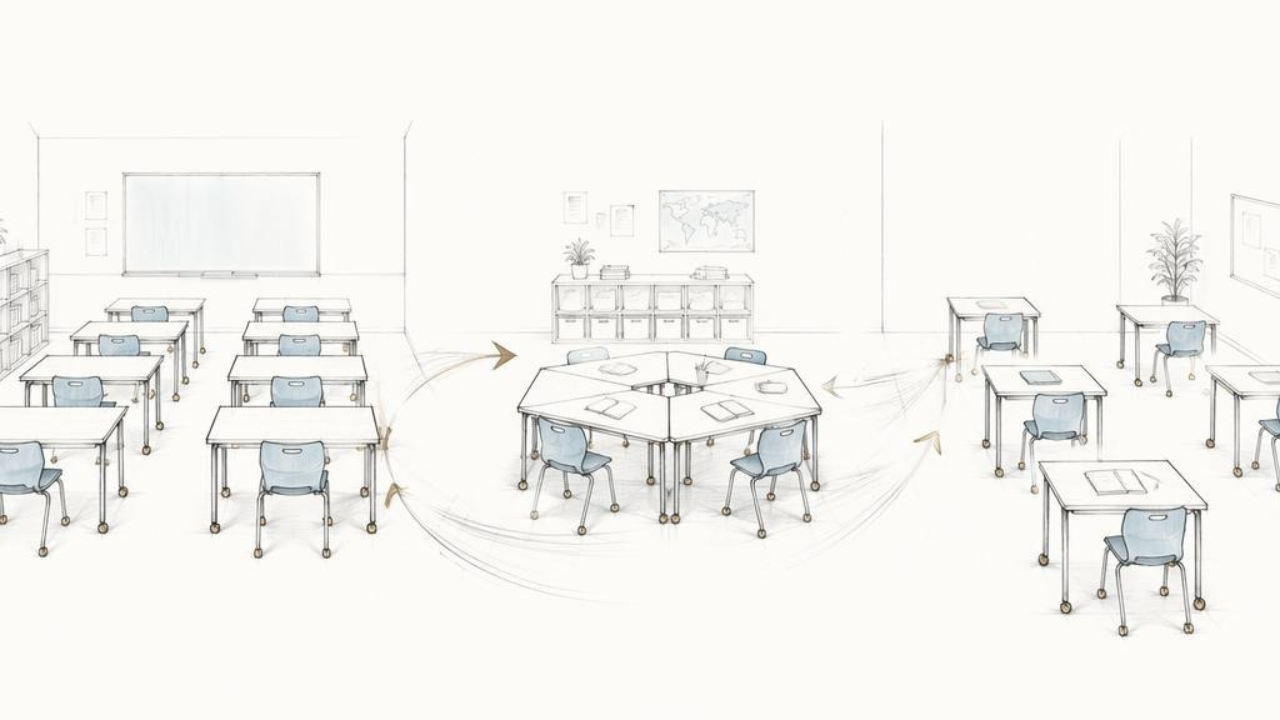
Education Furniture Trends for Flexible, Durable Learning Spaces
Furniture plays a direct role in how students learn, teachers teach, and facilities teams manage school buildings. The strongest education furniture trends address daily needs such as changing class activities, limited storage, heavy use, accessibility, and installation schedules.
For kindergarten through grade 12 schools and higher education campuses, the goal is to choose furniture that supports current teaching methods while delivering reliable value over many years.
Flexible classrooms support different ways of learning
Many classrooms now shift between direct instruction, group projects, independent work, and technology-based activities. Fixed layouts can make those changes slow and disruptive. Flexible furniture helps teachers adjust the room without calling the facilities team each time.
Mobile tables, lightweight chairs, nesting desks, and movable storage allow staff to change layouts during the school day. The furniture still needs enough strength to handle frequent movement. Weak casters, loose connections, and hard-to-clean surfaces can erase the value of a flexible design.
When reviewing mobile furniture, pay close attention to caster quality, locking mechanisms, pinch points, and overall stability. Test how easily staff can move each piece and whether students can use it safely. A product demonstration can reveal issues that remain hidden in a catalog.
Hybrid learning requires better technology support
Hybrid learning continues to influence classroom and campus planning. Even when every student attends in person, technology supports presentations, remote speakers, shared digital work, and recorded instruction.
Furniture can make that technology easier to use. Tables with built-in power access, cable management, and flexible seating positions help reduce cord clutter. Mobile instructor stations allow teachers to present from different parts of the room. In lecture halls and training spaces, power access can help students use devices throughout longer sessions.
Facilities teams should plan power and data needs alongside the furniture layout. This step prevents extension cords from crossing walkways and helps schools avoid costly changes after installation.
Multipurpose spaces help schools use each room more effectively
Libraries, cafeterias, media centers, common areas, and training rooms often support several activities. Furniture that folds, stacks, nests, or rolls can help one space serve classes, meetings, meals, testing, and community events.
Storage matters as much as mobility. A room can become difficult to manage when folded tables and stacked chairs have no assigned storage area. Early space planning should account for how staff will move, store, and return furniture between uses.
Select products that one or two staff members can handle safely. Check the weight, folded dimensions, stacking height, and recommended transport equipment before placing an order.
Inclusive design is becoming a standard planning priority
Accessible furniture supports students, staff, and visitors with a wide range of physical and sensory needs. Height-adjustable tables, clear wheelchair access, supportive seating, and easy-to-operate components can improve daily use.
Accessibility also depends on the full room layout. Wide paths, appropriate turning space, reachable storage, and clear access to power all affect how well the space works. Furniture dimensions should support the project’s accessibility requirements without reducing safe movement through the room.
For specialized learning environments, schools may also consider seating that supports movement, quieter study zones, and furniture that helps define activities without creating visual barriers.
Durability remains central to long-term value
Education furniture faces constant use, frequent movement, spills, and repeated cleaning. A lower purchase price can lead to higher costs when schools must replace damaged products within a few years.
Review frame construction, edge materials, upholstery performance, replacement parts, and warranty terms. Tables and case goods should resist impact along exposed edges. Seating should support the expected weight range and withstand repeated use. Surfaces should tolerate the cleaning products approved by the school.
Standardizing selected products across classrooms or campuses can also reduce future costs. Facilities teams can keep a smaller supply of replacement parts and move furniture between spaces with fewer compatibility issues.
Sustainability claims need documentation
Schools and colleges often include environmental goals in purchasing decisions. Useful sustainability information includes recycled content, material sourcing, indoor air quality testing, product certifications, and end-of-life options.
Ask manufacturers and dealers for documentation that supports each claim. Product durability should remain part of the sustainability review because longer replacement cycles reduce material use and purchasing demands.
Installation planning protects the school calendar
Education projects often have firm completion dates tied to the academic calendar. Delayed deliveries or incomplete installations can affect classroom assignments, staff preparation, and opening-day operations.
A strong installation plan should address delivery sequencing, building access, room readiness, product staging, debris removal, and final inspection. Multi-school projects also need clear schedules for each location.
Perfection Furniture coordinates design, delivery, and installation through one local team. Our North Carolina warehouse and in-house installation crew provide greater control over scheduling, staging, and job-site communication.
Evaluate education furniture as a complete project
A successful purchase depends on the furniture, room plan, delivery process, and installation schedule working together. Before approving a selection, confirm these details:
- Classroom use: Define how often each room will change layouts and who will move the furniture.
- Durability: Review construction, warranty coverage, cleaning requirements, and replacement part availability.
- Accessibility: Check furniture dimensions, operating controls, clear paths, and wheelchair access.
- Technology: Plan power access, charging, cable management, and device use before finalizing layouts.
- Installation: Confirm site readiness, delivery dates, staging areas, crew responsibilities, and final inspection steps.
Choose furniture based on how the space operates every day. Perfection Furniture can help your team plan layouts, compare products, coordinate delivery, and complete installation around your school calendar.