Office and Government Furniture Trends That Support Changing Work
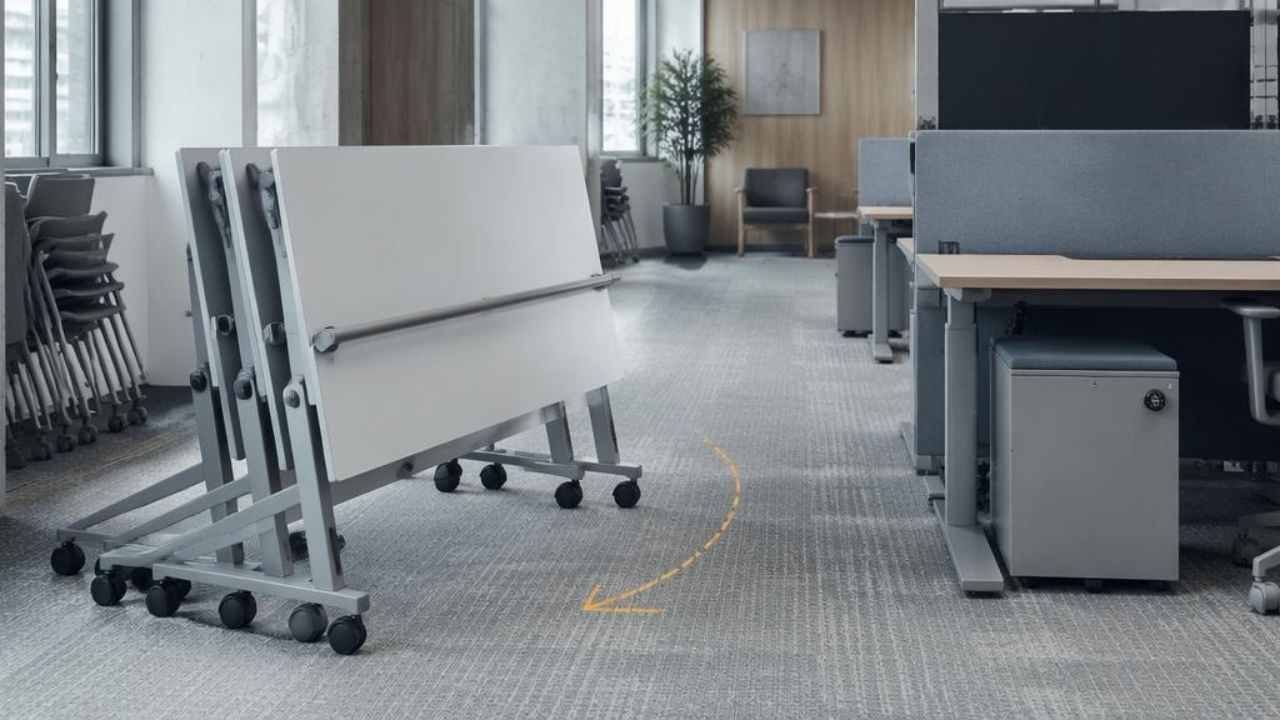
Government offices, administrative buildings, and public service facilities must support focused work, team meetings, visitor service, and changing staffing needs. Furniture choices affect employee comfort, space use, maintenance costs, and the public’s experience inside the building.
Current office trends focus on adaptable layouts, employee well-being, technology access, and efficient use of public space.
Hybrid work is changing how offices use space
Many organizations now have different numbers of employees in the office from one day to the next. Assigned workstations may sit empty while meeting rooms and shared work areas remain busy.
Flexible planning helps agencies respond to these shifts. Shared workstations, reservable offices, mobile tables, and smaller collaboration areas can support changing attendance patterns. The layout should also include secure storage for employees who no longer have permanently assigned desks.
Furniture standards make these changes easier to manage. A consistent selection of desks, chairs, storage, and power components allows teams to reconfigure areas without buying a new furniture system for every department.
Smaller spaces need furniture that serves several uses
Public agencies often need to make better use of existing buildings. One room may support staff training in the morning, a public meeting in the afternoon, and a project team the next day.
Nesting tables, stackable seating, mobile markerboards, and movable storage can help rooms change functions with less effort. The layout should preserve clear walkways, accessible seating locations, and safe exit paths in every arrangement.
Facilities teams should also review storage needs. Mobile furniture provides limited value when staff have no place to store it between uses.
Employee well-being starts with practical ergonomics
Height-adjustable desks and ergonomic seating remain important office trends because employees spend long periods at their workstations. Good products allow users to adjust seat height, back support, arm position, and work surface height.
Furniture alone cannot correct every comfort issue. Monitor placement, keyboard position, lighting, and employee training also affect workstation use. Procurement teams should consider the full setup and provide adjustment guidance after installation.
When evaluating task chairs, review the range of adjustments, warranty terms, replacement part availability, and expected daily use. A chair designed for occasional conference-room use will perform differently from one rated for a full workday.
Technology integration needs early planning
Modern offices rely on laptops, monitors, video meetings, and shared digital tools. Furniture should support those systems without creating cord clutter or limiting future changes.
Useful features may include accessible power, cable trays, monitor arms, floor-to-work-surface power feeds, and conference tables designed for video equipment. The right solution depends on the building’s electrical layout and the technology each department uses.
Coordinate furniture, electrical, and technology plans before ordering. Early coordination reduces field changes and helps installers place each component correctly.
Public-facing spaces require durability and accessibility
Lobbies, waiting areas, service counters, court facilities, and meeting rooms experience steady use from employees and visitors. These spaces need durable furniture with surfaces that staff can clean and maintain.
Seating should accommodate a range of body types and mobility needs. Appropriate seat heights, supportive arms, open space for mobility devices, and clear routes can help more people use the facility comfortably. Service counters may also need sections at accessible heights.
Materials should match the setting. High-use areas may benefit from replaceable upholstery components, commercial-grade finishes, and seating designed for frequent cleaning.
Acoustic furniture can improve focus and privacy
Open work areas can create noise and speech privacy concerns. Panels, high-backed seating, upholstered screens, and enclosed meeting booths can help manage sound when used as part of a broader acoustic plan.
These products should support fire, accessibility, ventilation, and building requirements. Enclosed booths may also require power, data connections, and clear maintenance procedures.
An acoustic review can help teams place products where they will provide the greatest benefit. Furniture should support the room’s overall sound plan instead of carrying the full responsibility for noise control.
Sustainability and long-term value belong in the same review
Government buyers often need to document responsible purchasing decisions. Product certifications, recycled content, low-emitting materials, repair options, and take-back programs can support environmental goals.
Long-term value also depends on durability and flexibility. Furniture that accepts replacement parts or adapts to new layouts can remain in service longer. Standard finishes and components may make future additions easier to match.
Request written documentation for environmental claims and confirm which certifications apply to the exact product being quoted.
Local installation control can reduce project risk
Office installations often require coordination with security staff, information technology teams, building managers, and employees. Some projects must happen after business hours or in phases so public services can continue.
A detailed plan should cover building access, elevator use, loading areas, floor protection, furniture staging, assembly, cleanup, and final inspection. Department moves also need clear labeling so each item reaches the correct room or workstation.
Perfection Furniture manages delivery and installation with its own North Carolina warehouse and crew. This structure gives clients one local point of contact for scheduling, site coordination, and issue resolution.
Review office furniture through an operational lens
Furniture should support the way each department works and how the building serves the public. Use these factors to compare options:
- Space use: Confirm how many people use the area each day and which rooms require multiple layouts.
- Ergonomics: Match seating and work surfaces to expected work hours and user needs.
- Technology: Coordinate power, data, monitors, and video equipment before ordering.
- Accessibility: Review routes, clearances, seating choices, controls, and service counter heights.
- Maintenance: Check cleaning instructions, replacement parts, finish durability, and warranty support.
- Installation: Define access hours, phasing, security requirements, staging, and final inspection.
Select office furniture with the full project schedule in view. Perfection Furniture can help your agency develop furniture standards, plan layouts, compare products, and coordinate installation with minimal disruption to daily operations.